

What Are FIBC Jumbo Bags? A Complete Guide to Bulk Material Handling
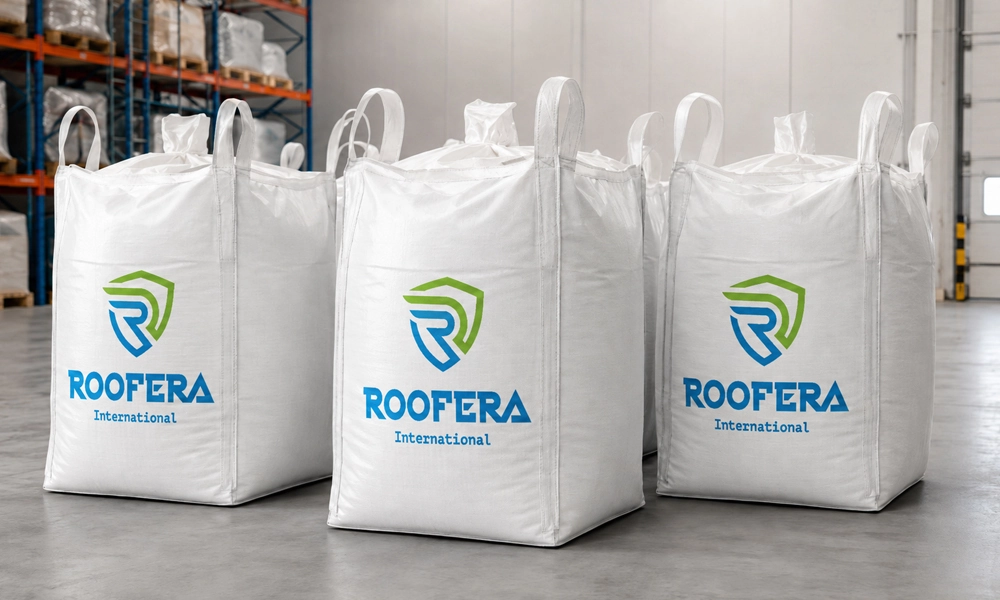
"What Are FIBC Jumbo Bags? A Complete Guide to Bulk Material Handling"
Requirements:
Target Audience:
- Industrial buyers
- Procurement managers
- Warehouse operators
- Logistics companies
- Manufacturers
- Agricultural businesses
- Construction companies
- Chemical and food processing industries
Tone:
Professional, informative, industry-focused, and trustworthy.
Length:
1,500–2,000 words.
Introduction
- Explain the growing demand for efficient bulk material handling solutions.
- Discuss how industries are seeking cost-effective, durable, and safe packaging options.
- Introduce FIBC Jumbo Bags as a leading solution for bulk transportation and storage.
What Are FIBC Jumbo Bags?
- Define FIBC (Flexible Intermediate Bulk Containers).
- Explain why they are commonly called Jumbo Bags or Bulk Bags.
- Discuss their construction using woven polypropylene (PP) fabric.
- Mention standard load capacities and sizes.
How Are FIBC Jumbo Bags Manufactured?
Cover:
- Polypropylene tape extrusion
- Weaving process
- Fabric cutting and stitching
- Liner insertion (if applicable)
- Quality testing and certification
- Packaging and dispatch
Key Features of FIBC Jumbo Bags
Include:
- High load-bearing capacity
- Lightweight design
- Reusability
- UV resistance
- Moisture protection
- Customizable designs
- Easy handling and transportation
- Cost efficiency
Types of FIBC Jumbo Bags
Create separate subsections for:
U-Panel Bags
Circular Bags
Four-Panel Bags
Baffle Bags
Conductive (Type C) Bags
Static Dissipative (Type D) Bags
Food-Grade FIBC Bags
UN Certified FIBC Bags
Explain features, advantages, and ideal applications for each type.
Top Benefits of Using FIBC Jumbo Bags
Cover:
Efficient Bulk Material Handling
Reduced Packaging Costs
Improved Storage Efficiency
Enhanced Worker Safety
Reduced Product Loss
Environmentally Friendly and Recyclable
Versatility Across Industries
Industrial Applications of FIBC Jumbo Bags
Create detailed sections for:
Agriculture
- Seeds
- Grains
- Fertilizers
- Animal feed
Construction Industry
- Sand
- Cement
- Aggregates
- Minerals
Chemical Industry
- Powders
- Resins
- Industrial chemicals
Food Industry
- Sugar
- Flour
- Rice
- Starch
Mining Industry
- Ores
- Minerals
- Industrial raw materials
Recycling and Waste Management
- Plastic scrap
- Metal scrap
- Industrial waste
FIBC Jumbo Bags vs Traditional Packaging Methods
Include a comparison table:
|
Feature |
FIBC Jumbo Bags |
Small Bags |
Drums |
|
Capacity |
|||
|
Handling Efficiency |
|||
|
Storage Space |
|||
|
Transportation Cost |
|||
|
Reusability |
|||
|
Sustainability |
How to Choose the Right FIBC Jumbo Bag
Discuss:
- Material type
- Product weight and density
- Filling and discharge requirements
- Storage conditions
- Transportation method
- Food-grade requirements
- Electrostatic safety requirements
- Regulatory compliance
Safety Guidelines for Handling FIBC Bags
Include:
- Proper lifting techniques
- Safe stacking practices
- Inspection procedures
- Storage recommendations
- Load capacity limitations
Maintenance and Reuse Best Practices
Provide expert recommendations on:
- Cleaning
- Inspection
- Storage
- Reuse criteria
- Recycling options
Frequently Asked Questions (FAQ)
Include at least 8 FAQs:
Examples:
- What does FIBC stand for?
- How much weight can a jumbo bag carry?
- Are FIBC bags reusable?
- What is the difference between Type A, B, C, and D bags?
- Can FIBC bags be used for food products?
- How long do jumbo bags last?
- Are FIBC bags waterproof?
- Which industries use jumbo bags the most?
Conclusion
Summarize:
- Importance of efficient bulk material handling
- Advantages of FIBC Jumbo Bags
- Their role in reducing costs and improving operational efficiency
End with a strong call-to-action:
"Looking for high-quality FIBC Jumbo Bags for your bulk storage and transportation needs? Contact our experts today for customized solutions, competitive pricing, and reliable industrial packaging products."


